

Reading time 5 min
How to clear a main sewer line clog
A slow sink feels like a nuisance. When toilets, tubs, and multiple drains stumble at once, the situation changes fast. Whole-house backups involve bringing sewage into living areas, and this small maintenance task can quickly turn into a costly, unsanitary emergency. The best way to keep the expense and trouble minimal is for homeowners to recognize and take steps before a backup becomes a calamity. At American Choice Plumbing, we offer direct, experienced advice for homeowners on backup warning signs.
What Is the Main Sewer Line and How It Fails
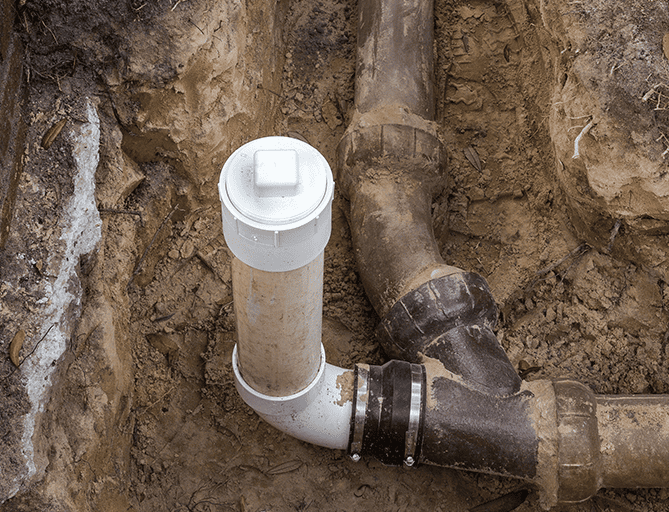
Water and waste are removed from a house through a single major underground pipe leading either to the local sewer or to a septic tank. Residential mains are normally 4 to 6 inches in diameter. Larger structures require pipes several feet in diameter and in excess of 36 inches in some cases. While the choice of materials varies with age and usage:
- Modern installations are made from PVC.
- Cast iron pipes are from an older era.
- While clay pipes are from the previous age.
Flow relies on slope and gravity. When the line’s gentle fall is blocked by a foreign object, accumulated deposits, or a structural failure, wastewater stops moving. A main sewer line clog prevents sewage from leaving the whole building. That is why multiple fixtures back up together and why quick repair is crucial to avoid health hazards and property damage.
How Mainline Problems Typically Reveal Themselves
Several fixtures slowing at once is the most reliable early indicator. Two or more slow drains, toilets that gurgle when the washing machine empties, or a bathtub that rises after a toilet flush are all characteristic signs of a main sewer line clog pointing at the central pipe. Basement floor drains and lower-level tubs often show symptoms first. Wastewater follows the lowest path and will appear where gravity takes it.
Reoccurring sewer smells emanating from various drains or even the yard area may indicate gases escaping from an infiltrated line or a clogged sewer vent. Drain and toilet gurglings occurring during usage of other fixtures in the home are normal; the escaping air pushing through the restriction in the pipe makes this sound. In the yard area, an area of unusual growth and wetness along the path of the sewer line may indicate a leak and/or a backed-up sewer line. The sewer cleanout on the house, if accessible, may provide clues. Sewage present in the cleanout is an obvious indicator that the main sewer line may indeed be clogged.
Common Causes of Main Sewer Line Clogs
In reality, blockages will normally occur due to a combination of habits and the environment, in conjunction with the condition of the pipe. The presence of tree roots attracted to water and small openings in the pipes. The roots will harden and entwine, increasing the chance of pipe rupture. The grease that would freely flow through the pipes will harden and stick to the sides, thereby reducing diameter and trapping debris. Substances that do not decompose in water will accumulate, forming blockages. Garbage disposers will decompose some waste but not fibrous or starch products when used extensively. These factors frequently lead to a clogged main sewer line, disrupting the entire plumbing system.
There are some structural issues that add to these problems. Soil settlement or improper laying results in low areas that collect waste. The pipes may break or collapse due to aging, corrosion, soil movement, heavy loads on top of them, or neighboring excavation activity. Mineral buildup from hard water reduces the pipe bore over time and results in clogging.
The most frequent mechanical and material causes are:
- Tree root intrusion into cracked or jointed pipes.
- Grease and fat coating pipe interiors.
- Nondegradable products flushed down toilets.
- Fibrous and heavy food waste from disposals.
- Sagging pipes that trap solids.
- Pipe breaks, collapses, and mineral buildup.
What Homeowners Can Attempt Safely
Many homeowners tackle minor problems themselves, often researching how to unclog the main sewer line safely. Safety comes first. Gloves and eye protection reduce risk. Opening a cleanout often relieves pressure and shows where a blockage sits. Some homes lack an accessible cleanout and that limits DIY options.
Hand snakes will follow the snakes into the augers as they get to the obstructions, or nearer the dwelling depending on the cable size. Fixtures may be checked to see if the flow is restored after any effort. Home solutions may include using hot water to melt the grease or a baking soda and vinegar cycle followed by hot water. These measures rarely clear deep or large mainline clogs, requiring professional drain services to restore full functionality.
Common Mistakes That Worsen the Problem
Chemical-based cleaners may end up causing more damage than benefit. Some chemicals have aggressive components that react with plumbing, causing toxic gases to form. These products fail when faced with either a deep or large blockage and upset the balance in a septic system. Combinations of chemicals create toxic gases.
Waiting to act typically enlarges the repair bill. Continuing to flush or run fixtures after a sewer line blockage begins usually increases the backup and raises the chance of sewage entering living spaces. For those using augers, forcing a cable through strong resistance can damage brittle pipes or leave the cable stuck. When multiple drains show trouble, focusing on a single trap or branch line risks missing the central issue.
When Professional Help Is the Right Move
Signs that call for a licensed plumber include multiple slow or blocked fixtures, sewage surfacing inside the home, persistent foul odors, and widespread gurgling noises, which often indicate a main sewer line backup. Outdoor symptoms such as sodden ground or an unusually green strip along the sewer run also point to leaks or breaks that need specialized locating and repair tools.
When plunging, a manual snake, or simple maintenance does not fix the issue, the clog is likely deep or tied to a structural defect requiring professional sewer line repair. A camera inspection provides a clear diagnosis and avoids speculation. Experts use high torque motorized augers, high-definition sewer cameras, and hydro-jetters with high-pressured water to clean the walls of the pipes and remove roots and grease. If a particular property does not have a cleanout, a professional can put one in for future convenience. Calling early for emergency plumbing services often limits damage and lowers total cost compared with waiting for complete failure.
Practical Prevention That Works Over Time
Daily habits and an occasional plumbing service together reduce risk. Keeping fats, oils, and grease out of drains prevents gradual buildup. Only human waste and toilet paper should go into toilets. Many items sold as flushable do not disintegrate and contribute to blockages. Garbage disposals should be used sparingly. Fibrous vegetables, starchy peels, coffee grounds, and eggshells belong in the trash or compost.
Basic screens installed in sink drains can catch hair and large particles before they go down. Flushing drains occasionally with hot water will also work to move greases. Using enzyme-based detergents that can handle organic materials effectively yet safely is an option when conducted occasionally. To function as long-term fixes, it is necessary to schedule camera inspections in sewers once each year or in two-year cycles to identify potential damage from roots or defects. To limit potential damage, it is essential to plant tree varieties that produce less intrusive roots or to plant them away from sewers to ensure sufficient distance. Keeping gutters clear can also ensure that no excessively high amounts of surface water can press underground sewers.
Nonetheless, homeowners find that with regular daily routines and professional help on occasion, they find living with hidden pipes to be the least painful option. Early detection of the symptoms and the timely implementation of the correct measures often result in a mere clean-up operation instead of a complicated and troublesome repair.